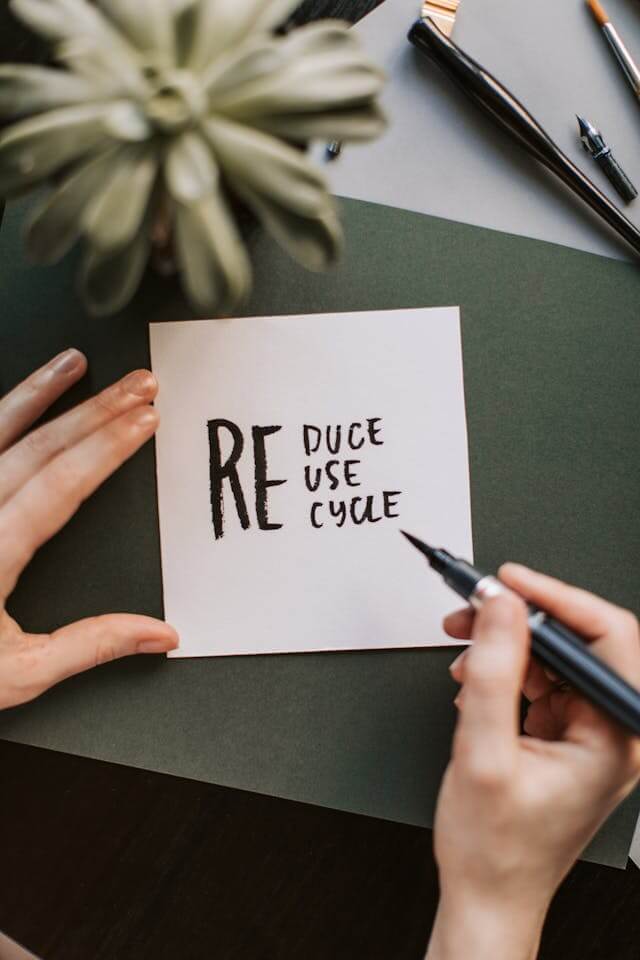
Waste reduction is not just an environmental necessity; it’s a critical investment in the future well-being of our children and the generations to come. The choices we make today about how we consume and dispose of resources will directly impact the world that our children inherit. By focusing on waste reduction now, we are laying the groundwork for a cleaner, healthier, and more sustainable planet for future generations.
Protecting Natural Resources:
The Earth’s resources are finite, and the overconsumption and wasteful use of these resources deplete what should be available for our children and future generations. By reducing waste, we conserve precious natural resources, ensuring that there will be enough clean water, fertile soil, and unpolluted air for children to thrive. Sustainable practices like recycling, composting, and reducing single-use items help preserve these resources for the future.
Reducing Environmental Pollution:
Waste, especially non-biodegradable waste like plastics, contributes significantly to environmental pollution. This pollution harms wildlife, contaminates water sources, and degrades ecosystems, which are all crucial for supporting life on Earth. By reducing waste, we minimize the amount of pollution entering our environment, creating a safer, cleaner world for children to grow up in.
Mitigating Climate Change:
Waste reduction plays a vital role in the fight against climate change. Waste in landfills produces methane, a potent greenhouse gas that contributes to global warming. Additionally, the production and disposal of goods require energy, often derived from fossil fuels, which further contributes to carbon emissions. By reducing waste, reusing materials, and recycling, we can significantly lower greenhouse gas emissions, helping to stabilize the climate for our children’s future.
Instilling Sustainable Values:
Waste reduction is also about educating and inspiring our children to adopt sustainable practices. By teaching them the importance of reducing, reusing, and recycling, we instill values that they will carry throughout their lives. These values not only shape their individual habits but also influence the broader society as they grow into leaders, innovators, and caretakers of the planet.
Ensuring Economic Stability:
Waste reduction is closely tied to economic sustainability. When resources are used efficiently and waste is minimized, the cost of production and disposal decreases, leading to more stable and resilient economies. By fostering a culture of waste reduction, we can create a future where resources are used wisely, economies are strong, and children have access to the opportunities they need to succeed.
Leaving a Positive Legacy:
Ultimately, waste reduction is about leaving a positive legacy for our children. It’s about ensuring that they inherit a world where nature thrives, resources are abundant, and the environment is clean and safe. By taking action now to reduce waste, we are making a promise to our children that we care about their future and are committed to protecting it.
Conclusion:
Waste reduction is more than an environmental goal; it’s a responsibility we have to the children of today and tomorrow. By making mindful choices about how we consume and dispose of resources, we can build a future that is sustainable, equitable, and full of possibilities for the generations to come. Every effort we make to reduce waste today is a step towards a better, healthier world for our children.