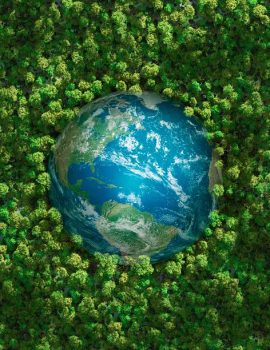
Forests are often referred to as the “lungs of the planet” because they play a critical role in maintaining the Earth’s atmosphere and climate. Just as the lungs are essential for breathing and sustaining life in humans, forests are vital for the health of the planet.
1. Oxygen Production:
Forests, especially tropical rainforests, are massive producers of oxygen. Through the process of photosynthesis, trees absorb carbon dioxide (CO2) from the atmosphere and release oxygen. This oxygen is crucial for the survival of nearly all life forms on Earth. It is estimated that forests are responsible for producing about 28% of the world’s oxygen supply, making them indispensable to life on Earth.
2. Carbon Sequestration:
In addition to producing oxygen, forests act as significant carbon sinks, absorbing and storing large amounts of CO2, a greenhouse gas that contributes to global warming. By trapping carbon in their biomass—leaves, trunks, roots, and soil—forests help mitigate the effects of climate change. The conservation of forests is, therefore, essential in controlling the levels of CO2 in the atmosphere, slowing the rate of global warming, and stabilizing the climate.
3. Biodiversity Hotspots:
Forests are home to an incredible diversity of plant and animal species. They provide habitat for over 80% of terrestrial species, many of which are not found anywhere else. The conservation of forests is crucial for preserving this biodiversity, which is essential for ecosystem resilience, human well-being, and the overall health of the planet. Protecting forests ensures that these ecosystems continue to function and provide services that support life on Earth.
4. Water Cycle Regulation:
Forests play a crucial role in regulating the Earth’s water cycle. They absorb rainfall, reduce runoff, and help to replenish groundwater supplies. Trees also release water vapor into the atmosphere through a process called transpiration, which contributes to cloud formation and precipitation. By maintaining the water cycle, forests help to prevent floods, droughts, and soil erosion, making them vital for the stability of ecosystems and human communities.
5. Climate Regulation:
Beyond carbon sequestration, forests influence local and global climates by moderating temperatures and affecting weather patterns. They act as natural air conditioners, cooling the air through the evaporation of water and shading the ground. Forests also help to maintain the balance of gases in the atmosphere, contributing to a stable and livable climate.
The Importance of Forest Conservation:
Given their critical functions, the conservation of forests is essential for sustaining life on Earth. Deforestation and forest degradation threaten these vital ecosystems, leading to a loss of biodiversity, disruption of the water cycle, and increased carbon emissions. Protecting and restoring forests is not just an environmental issue—it is a necessity for human survival and well-being.
Conclusion:
Forests are the lungs of our planet, essential for producing oxygen, absorbing carbon dioxide, and maintaining the Earth’s climate and ecosystems. Forest conservation is crucial for ensuring that these vital functions continue, supporting life on Earth and helping to combat climate change. By conserving forests, we are protecting the very systems that make life possible, ensuring a sustainable future for generations to come.