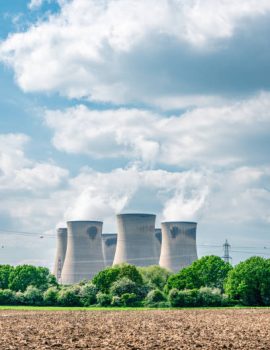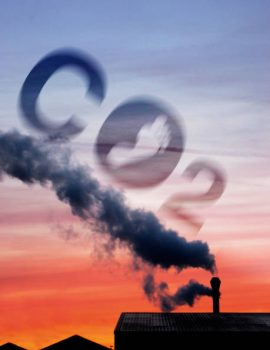
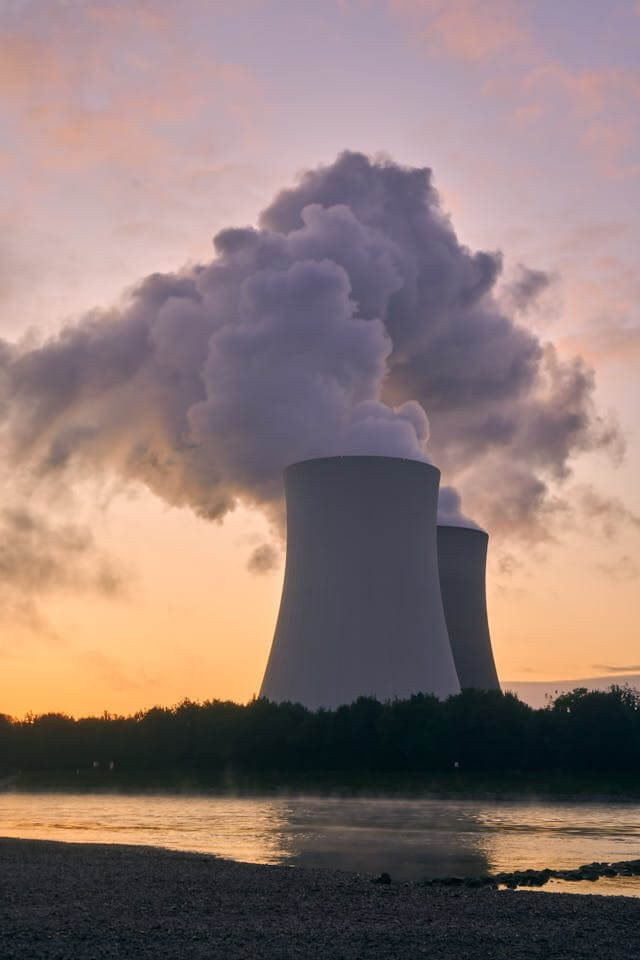
While nuclear power is often touted as a clean energy source due to its low carbon emissions, it is not the definitive answer to our energy challenges for several reasons. The complexities and risks associated with nuclear energy make it a less favorable option compared to other renewable energy sources.
1. High Costs and Economic Viability:
Nuclear power plants are costly to build, maintain, and decommission. The initial capital costs are significantly higher than those for renewable energy sources like wind and solar. Additionally, the long timeframes required to construct nuclear plants—often decades—delay their contribution to meeting urgent energy needs. These economic factors make nuclear power a less attractive option when faster and more cost-effective renewable solutions are available.
2. Safety Concerns:
Nuclear power carries inherent safety risks, as evidenced by catastrophic accidents such as Chernobyl, Fukushima, and Three Mile Island. Even with advancements in technology, the potential for accidents, whether due to human error, natural disasters, or technical failures, remains a significant concern. The consequences of such accidents are severe, leading to long-term environmental damage, loss of life, and widespread displacement of communities.
3. Radioactive Waste Management:
One of the most challenging aspects of nuclear power is the management of radioactive waste. Nuclear reactors produce waste that remains hazardous for thousands of years. Safe storage and disposal of this waste is a major unresolved issue, with no fully secure and permanent solution currently in place. The risks associated with storing radioactive waste—such as contamination of land and water—pose long-term environmental and health threats.
4. Proliferation Risks:
The spread of nuclear technology increases the risk of nuclear proliferation, where nuclear materials and technology could be diverted to develop atomic weapons. This is a significant concern for global security, as the expansion of nuclear power could inadvertently contribute to the spread of nuclear weapons capabilities, destabilizing regions, and escalating international tensions.
5. Limited Fuel Supply:
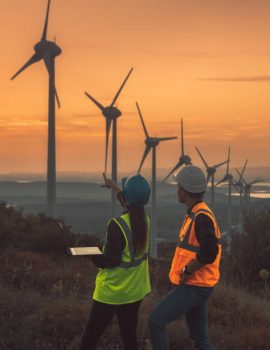
Nuclear power relies on uranium, a finite resource that is not renewable. As global demand for energy increases, so too does the demand for uranium, which could lead to resource scarcity and increased geopolitical tensions over its supply. In contrast, renewable energy sources such as wind, solar, and hydro are virtually inexhaustible, making them more sustainable long-term solutions.
6. Delays in Addressing Climate Change:
The long lead times required to build nuclear power plants mean that they do not offer a quick solution to the urgent need for reducing greenhouse gas emissions. Renewable energy technologies, on the other hand, can be deployed much more rapidly and at scale, making them more effective in the fight against climate change.
7. Public Opposition and Social Impact:
Public opposition to nuclear power remains strong due to the perceived risks and negative historical associations. This opposition can lead to delays in project approvals and increased costs, further hindering the viability of nuclear energy. Additionally, communities living near nuclear power plants often face social and economic challenges, including stigmatization, property devaluation, and the potential for forced relocations in the event of accidents.
Conclusion:
While nuclear power does offer low-carbon energy, its high costs, safety risks, waste management challenges, and long-term environmental and security concerns make it an imperfect solution. In contrast, renewable energy sources like wind, solar, and hydro offer safer, more sustainable, and more cost-effective alternatives. For these reasons, nuclear power is not the answer to our energy and environmental challenges—renewables provide a more transparent, more viable pathway to a sustainable future.